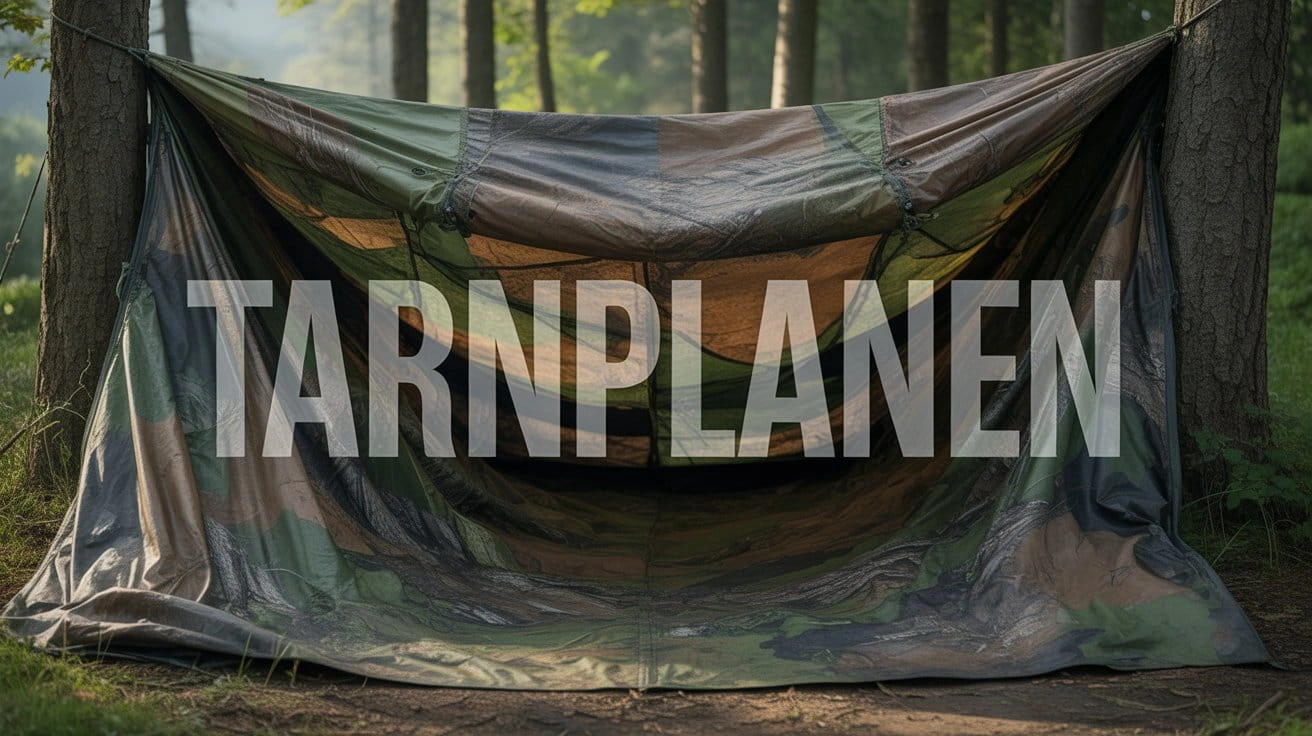
Tarnplanen Explained: Powerful Outdoor Protection You Can Trust
Outdoor protection is no longer just about staying dry. Today, users want gear that blends into the environment, lasts longer, and adapts to many situations. That is exactly where tarnplanen stand out. These camouflage tarpaulins are designed for people who need reliable coverage without drawing attention, whether in nature, work environments, or emergency scenarios.
This guide explains everything you need to know in clear language. You will understand what tarnplanen are, why they matter, how to use them correctly, and when they are the best choice. The goal is simple: help you decide confidently and use them effectively.
What Is Tarnplanen? A Clear and Practical Definition
The term tarnplanen comes from a combination of words that mean camouflage and protective covering. In simple terms, it refers to camouflage tarpaulins designed to protect and conceal objects, spaces, or people.
Unlike ordinary tarps, these coverings are created with natural color patterns that help them blend into their surroundings. At the same time, they are built to resist rain, wind, sunlight, and rough handling. This dual function makes them useful in situations where visibility matters as much as protection.
People often confuse them with basic camping tarps, but tarnplanen are purpose-built. They focus on durability, reduced visibility, and adaptability across environments such as forests, open land, or urban spaces.
Why Tarnplanen Matter in Modern Use
The growing interest in outdoor activities, emergency preparedness, and mobile workspaces has increased demand for smart protective solutions. Tarnplanen answer that need by offering:
- Concealment without complex setup
- Protection from unpredictable weather
- Flexibility across many use cases
In real-world situations, visibility can attract unwanted attention or increase risk. Tarnplanen reduce that risk while still performing the basic job of shielding equipment or people.
Materials That Define Quality and Performance
A tarnplanen is only as good as the materials used to make it. High-quality versions rely on a careful balance between strength, weight, and resistance.
Synthetic Fabrics
Most modern options use coated polyester or nylon. These materials are lightweight yet strong, making them easy to transport while resisting tearing. Coatings help block water and slow damage from sun exposure.
Heavy-Duty Options
Some versions use thicker fabrics designed for long-term outdoor exposure. These are heavier but offer superior durability, making them ideal for semi-permanent setups.
Reinforced Design
Edges are often strengthened, and metal eyelets are added to allow secure fastening. This prevents ripping when the tarp is under tension from wind or rain.
The right material depends on how often and where you plan to use it.
Camouflage Patterns and Environmental Matching
One defining feature of tarnplanen is the camouflage pattern. These patterns are not decorative. They are engineered to break up shapes and reduce contrast.
Different environments require different visual blending. A forest pattern works well among trees, while muted gray tones suit industrial or urban settings. Choosing the wrong pattern does not make the tarp useless, but it reduces its concealment advantage.
When selecting a tarnplanen, consider where it will be used most often and choose accordingly.
Key Benefits of Using Tarnplanen
Reliable Weather Protection
Rain, wind, and sun exposure can damage equipment quickly. Tarnplanen act as a dependable barrier, keeping items dry and shaded. Many users rely on them during extended outdoor stays because they perform consistently in changing conditions.
Visual Concealment
The camouflage design reduces visibility without additional tools. This is valuable for activities where discretion matters, such as wildlife observation or secure storage in open areas.
High Versatility
One tarnplanen can serve multiple purposes. It can be a shelter, ground cover, equipment wrap, or temporary wall. This adaptability reduces the need to carry multiple items.
Portability
Despite their strength, most are easy to fold and transport. This makes them suitable for both planned activities and unexpected situations.
Challenges You Should Be Aware Of
Even the best equipment has limitations. Understanding them helps you avoid mistakes.
Incorrect Setup
If not secured properly, wind can loosen or damage the tarp. Correct tension and anchoring are essential.
Pattern Mismatch
Camouflage effectiveness depends on surroundings. A mismatch does not affect weather protection but reduces concealment.
Material Misjudgment
Choosing a tarp that is too light for harsh conditions can lead to faster wear. Always match material strength to usage demands.
How to Set Up Tarnplanen Step by Step
This section focuses on practical use. Follow these steps for a reliable setup:
Preparation
Choose a flat area with natural features like trees or rocks. These help support and conceal the tarp.
Positioning
Lay out the tarnplanen and orient it so the pattern aligns with the environment. This small detail improves blending.
Anchoring
Secure the corners first, then adjust the sides. Use ropes or cords that can handle tension.
Final Adjustment
Ensure water can run off easily. Avoid dips where rain could collect.
A proper setup increases lifespan and effectiveness.
Real-World Applications and Examples
Outdoor Recreation
Campers and hikers use tarnplanen for quick shelters and gear protection. Their ability to blend into nature makes campsites less visually intrusive.
Wildlife Observation
Photographers and researchers rely on camouflage coverage to observe animals without disturbing natural behavior. Tarnplanen help create discreet observation points.
Emergency and Disaster Response
During emergencies, fast-deploy shelters are critical. Tarnplanen provide immediate coverage for supplies or temporary living spaces.
Work and Storage
Construction and landscaping professionals use them to protect tools and materials from weather while keeping sites visually organized.
These examples show how adaptable the product truly is.
Maintenance and Care Tips
Proper care extends the life of your tarnplanen:
- Clean with mild soap and water
- Dry completely before storage
- Avoid sharp edges during use
- Store in a cool, dry place
Simple habits prevent premature damage.
Frequently Asked Questions
What makes tarnplanen different from normal tarps?
They combine camouflage design with durable weather protection, offering concealment alongside coverage.
Are tarnplanen suitable for everyday use?
Yes. Many people use them for storage, gardening, or outdoor work.
Do they work in heavy rain?
High-quality versions are designed to resist prolonged rainfall when set up correctly.
How long do they last?
With proper care, they can last several years depending on usage frequency.
Are they difficult to set up?
No. Basic setups can be completed quickly with minimal tools.
Can one tarnplanen serve multiple purposes?
Absolutely. That versatility is one of its strongest advantages.
Conclusion
Tarnplanen offer a smart balance between protection and discretion. They are practical, durable, and adaptable to many real-life needs. Whether you are planning outdoor activities, preparing for emergencies, or simply protecting valuable equipment, these camouflage tarpaulins deliver consistent performance.
Understanding how to choose, use, and maintain them ensures you get long-term value and dependable results. When protection matters and visibility needs to stay low, tarnplanen remain a trusted solution.