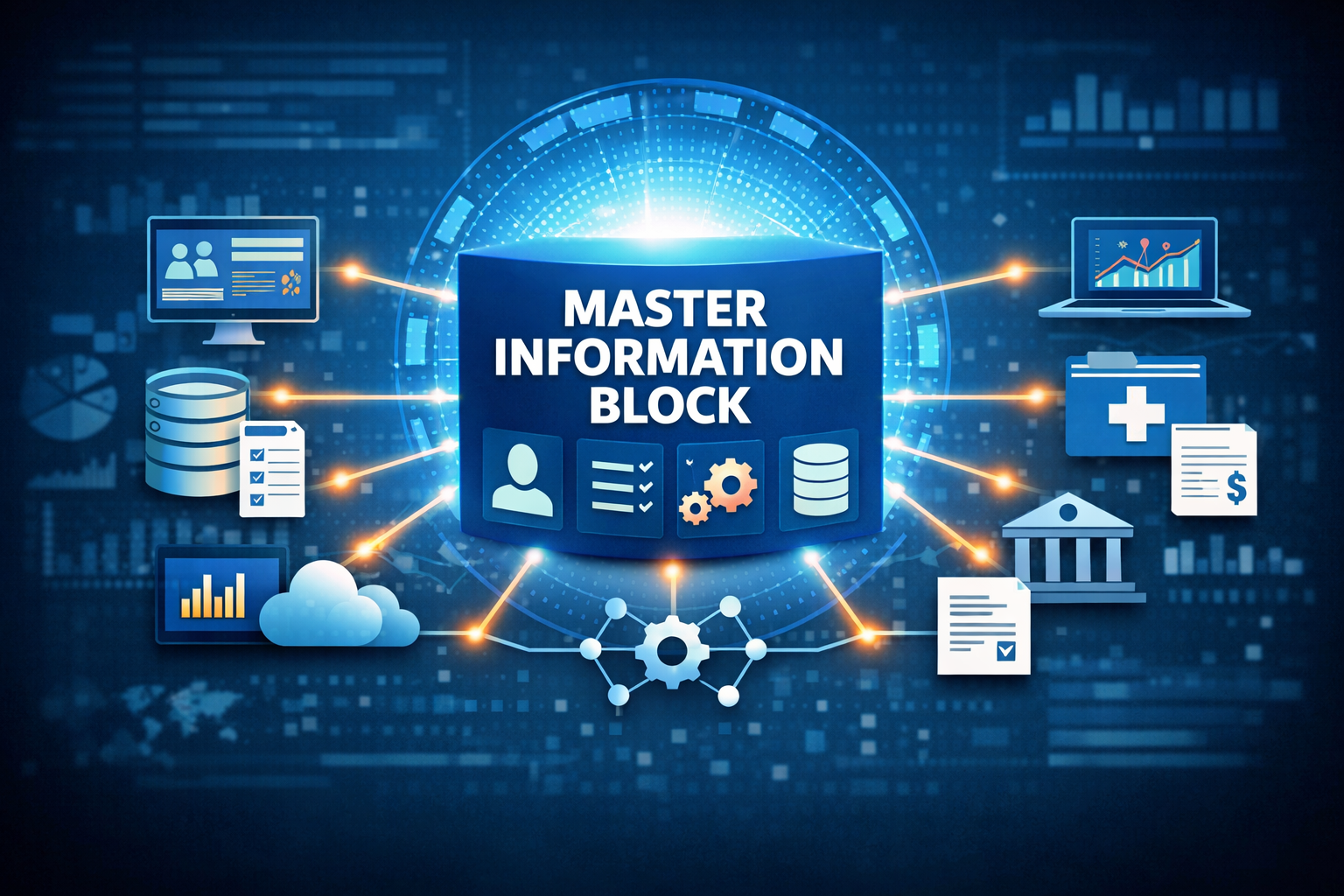
Master Information Block Explained for Modern Data Systems
The term master information block appears more often today as organizations deal with growing volumes of structured and unstructured data. At its core, it refers to a centralized, authoritative unit of information that acts as a single reference point across systems, teams, or processes. While the phrase may sound technical, the idea behind it is simple. It exists to reduce confusion, improve accuracy, and ensure everyone works from the same trusted data source.
I have seen many businesses struggle not because they lack data, but because they lack clarity. Multiple versions of the same information live in different tools, spreadsheets, and platforms. This is where a master information block becomes valuable. It creates order, consistency, and accountability in how information is created, stored, and used.
This article explains the concept in depth, how it works in real environments, why it matters, where it is used, and how to build and manage it correctly. The focus is purely informational, practical, and aligned with real user intent.
What Is a Master Information Block?
A master information block is a structured collection of core data that is treated as the official source of truth for a specific subject. This subject could be a customer, product, employee, asset, or any critical entity within a system.
Unlike scattered data entries, this block is:
- Centralized
- Verified
- Consistently formatted
- Governed by clear rules
Think of it as the definitive profile that other systems reference rather than recreate.
Key Characteristics
A well-designed master information block usually has these qualities:
- Uniqueness
Each block represents one entity without duplication. - Stability
Changes are controlled and logged rather than happening randomly. - Accessibility
Authorized systems and users can reference it easily. - Integrity
Data accuracy is protected through validation rules.
Why Master Information Blocks Exist
The need for this structure comes from common data problems that scale with growth.
Data Duplication
When teams store the same information in different places, inconsistencies appear. One department updates a record while another does not.
Conflicting Versions
Multiple versions of the same entity cause operational errors, reporting mistakes, and customer frustration.
Lack of Ownership
Without a defined owner, data quality declines over time. No one knows who is responsible for corrections.
A master information block addresses these problems by setting one clear reference point.
Real World Experience With Data Fragmentation
In one mid-sized organization I worked with, customer data existed across CRM software, billing tools, and internal spreadsheets. Each team trusted its own version. This led to incorrect invoices, misaligned support responses, and broken analytics.
After implementing a central information block for customer profiles, all systems began referencing the same data. Errors dropped significantly, and reporting became reliable. The improvement was not technical complexity but structural clarity.
Core Components of a Master Information Block
Although implementations vary, most include similar components.
Identity Fields
These define what the entity is.
- Unique identifier
- Name or title
- Classification type
Descriptive Attributes
These provide context.
- Contact details
- Specifications
- Status indicators
Relationships
These show how the entity connects to others.
- Parent and child links
- Ownership or responsibility
- Dependencies
Metadata
This explains the data itself.
- Creation date
- Last updated timestamp
- Data owner
- Source system
How It Differs From Regular Data Records
A common misunderstanding is assuming any database record qualifies. That is not the case.
Regular records are often:
- Created freely
- Edited without governance
- Duplicated across tools
A master information block is governed and intentional. It exists to be referenced, not rewritten.
Use Cases Across Industries
Enterprise Resource Planning
Product and supplier information is centralized to ensure procurement, inventory, and finance teams stay aligned.
Healthcare Systems
Patient profiles are unified to avoid medical errors and ensure continuity of care.
Financial Institutions
Client records are standardized to meet compliance and reporting requirements.
Digital Platforms
User profiles are managed centrally to support authentication, personalization, and analytics.
Benefits for Organizations
Improved Data Accuracy
When updates happen in one place, errors reduce naturally.
Better Decision Making
Reports and dashboards rely on consistent data inputs.
Operational Efficiency
Teams spend less time reconciling conflicting information.
Regulatory Compliance
Clear data ownership and audit trails support compliance efforts.
Challenges and Risks
While the concept is powerful, implementation is not without difficulty.
Governance Overhead
Clear rules must be defined and enforced.
Change Resistance
Teams may resist losing control over their own data copies.
Technical Integration
Legacy systems may not easily reference centralized structures.
These challenges are manageable with planning and stakeholder alignment.
Designing a Reliable Master Information Block
Step One: Define the Entity Clearly
Decide exactly what the block represents and what it does not.
Step Two: Identify Required Attributes
Avoid unnecessary fields that complicate maintenance.
Step Three: Assign Ownership
A specific role or team must be accountable.
Step Four: Establish Update Rules
Define who can change what and under which conditions.
Step Five: Integrate Gradually
Start with read-only references before enabling write access.
Data Governance and Trust
Trust is the foundation of any centralized data structure. Without trust, teams will create workarounds.
Governance policies should be:
- Clear
- Documented
- Enforced consistently
Transparency in how data is updated builds confidence over time.
Common Mistakes to Avoid
- Treating it as a one-time project
- Allowing unrestricted edits
- Ignoring data quality checks
- Overengineering the structure
Simplicity and discipline matter more than complexity.
Measuring Effectiveness
You can assess success through:
- Reduction in duplicate records
- Fewer data-related errors
- Improved reporting accuracy
- Faster onboarding of new systems
These indicators show whether the structure is serving its purpose.
Scaling as Systems Grow
As organizations expand, new entities emerge. The same principles apply, but planning becomes more important.
Scalable practices include:
- Modular design
- Clear naming conventions
- Documentation accessible to all stakeholders
Security and Access Control
Not everyone should edit core data.
Best practices include:
- Role-based access
- Approval workflows for sensitive changes
- Logging and audit trails
Security supports both trust and compliance.
Integration With Modern Architectures
In modern environments, these information blocks often sit behind APIs. Systems request data instead of copying it.
This approach reduces redundancy and improves consistency across platforms.
Long Term Maintenance
A master information block is not static.
Ongoing responsibilities include:
- Periodic audits
- Attribute relevance reviews
- Ownership reassignment when teams change
Maintenance ensures continued value.
Frequently Asked Questions
What is the main purpose of a master information block?
Its purpose is to provide a single, trusted source of core information that multiple systems and teams can rely on.
Is it the same as a database table?
No. It is a governed structure with ownership, rules, and integration intent, not just stored data.
Can small organizations use this approach?
Yes. Even small teams benefit from clarity and consistency when information grows.
How often should it be updated?
Updates should occur as needed but always through defined processes.
Does it require special software?
Not necessarily. The concept can exist within many tools if governance is applied correctly.
Conclusion
A master information block brings structure to complexity. It reduces confusion, supports accuracy, and creates alignment across systems and teams. While the concept is simple, its impact is significant when implemented with discipline and clear ownership.
Organizations that invest in this approach build stronger data foundations, enabling better decisions and smoother operations over time.