Soppressata: A Complete Guide to Italy’s Bold Cured Sausage
Italian cuisine is known for its deep respect for tradition, regional identity, and craftsmanship. Few foods represent these values as clearly as soppressata, a cured meat that reflects centuries of knowledge passed from one generation to the next. Today, it is searched not only by food lovers but also by home cooks, chefs, and travelers who want to understand what makes it different from other cured meats.
This guide is designed to satisfy modern user intent by explaining what it is, how it is made, why it matters culturally, and how people use it today. It blends historical insight, real-world experience, and practical knowledge while following current SEO and content quality standards.
What Is Soppressata?
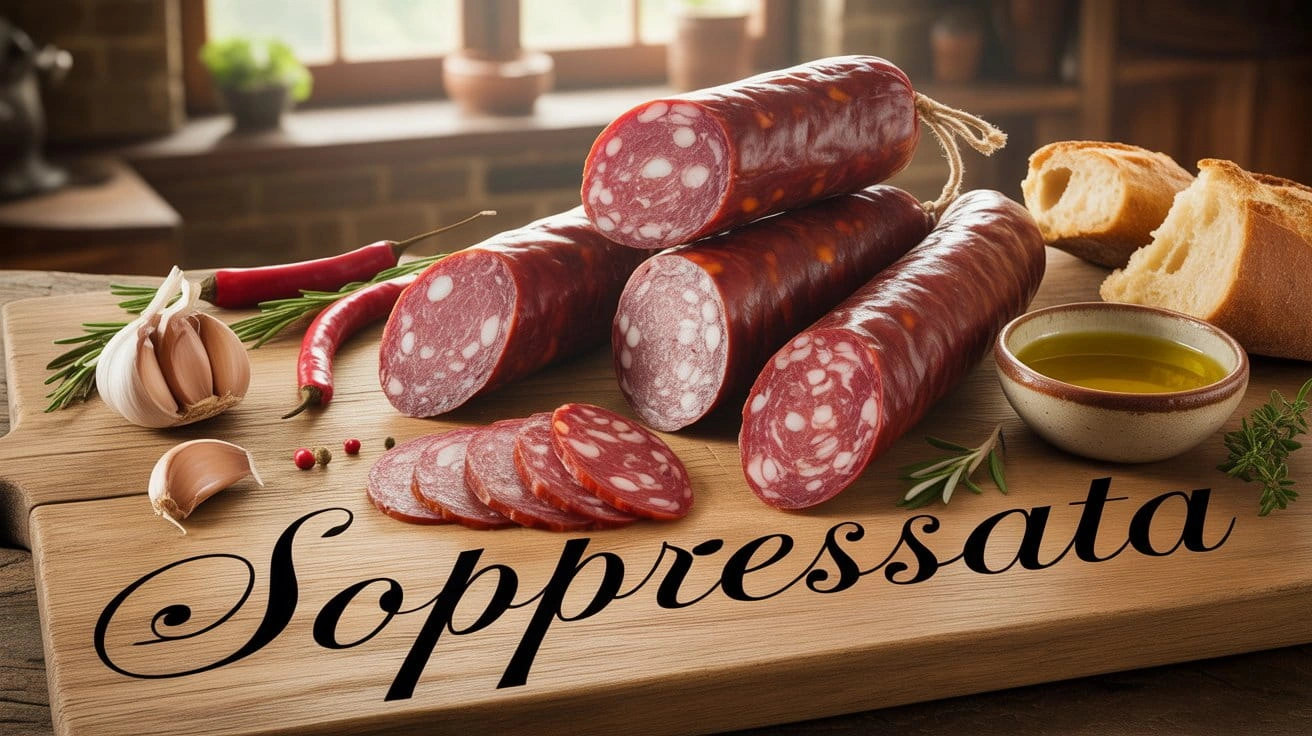
Soppressata is a traditional Italian cured sausage made from coarsely chopped pork that is seasoned, pressed, and slowly air-dried. The name comes from an Italian word meaning “pressed,” which refers to the method used during its preparation. This pressing step gives it a denser texture and a distinctive shape compared to many round cured sausages.
Unlike finely ground salami, this product has visible pieces of meat and fat. The flavor profile ranges from mildly savory to boldly spicy depending on the region and recipe. Garlic, black pepper, and local spices are commonly used, while salt plays a critical role in both flavor and preservation.
Historically, it was not a luxury food. It was a practical solution for preserving meat after seasonal pig slaughter. Over time, it evolved into a symbol of regional pride and artisanal skill.
Cultural and Historical Significance
In southern Italy, cured meats were essential for survival during colder months. Families would prepare sausages together during winter, using nearly every part of the animal. Soppressata became one of the most valued results of this process because it balanced taste, nutrition, and longevity.
What makes it culturally important is not just the food itself, but the ritual surrounding its production. The preparation often involved multiple family members, shared meals, and strict adherence to inherited techniques. These traditions remain alive today in rural communities and among Italian diaspora families worldwide.
Modern interest in heritage foods has brought renewed attention to this cured sausage, especially as consumers seek authenticity and traceable food origins.
How Soppressata Is Made
The production process requires patience, experience, and controlled conditions. While recipes vary, the core steps remain consistent across regions.
First, high-quality pork cuts are selected, typically from the shoulder or thigh. The meat is chopped rather than finely ground, which contributes to its rustic texture. Fat is added deliberately to ensure richness and proper curing.
Seasoning follows, using salt and spices chosen according to local tradition. Garlic and pepper are common, while chili peppers are frequently used in southern regions to add heat.
Once seasoned, the mixture is stuffed into natural casings. At this stage, pressure is applied using boards or weights. This pressing removes air pockets and creates the characteristic compact shape.
The final stage is drying and curing. The sausage hangs in a well-ventilated environment with controlled humidity and temperature. This stage can last several weeks or months, allowing flavors to deepen and textures to firm.
Experience matters greatly here. Improper conditions can affect both safety and quality, which is why skilled producers are highly respected.
Regional Interpretations and Flavor Profiles
Italy’s regional diversity plays a major role in shaping how this cured meat tastes and looks. Each area reflects its climate, available spices, and local preferences.
In Calabria, the flavor is assertive and spicy, often featuring dried chili peppers. The texture is firm, and the aroma is intense. In Basilicata and parts of Apulia, the taste is milder and more balanced, focusing on pork flavor rather than heat.
Northern and central regions sometimes produce softer versions with different spice blends. In some areas, variations include wine or herbs, demonstrating how flexible traditional recipes can be while still honoring core techniques.
This regional variation is one reason food enthusiasts actively search for it. Each version tells a story about its place of origin.
Culinary Uses in Modern Cooking
Today, soppressata is no longer limited to rustic meals. It appears in both traditional and contemporary dishes across the world.
It is commonly sliced thin and served as part of an antipasto spread alongside cheeses, bread, and vegetables. Its bold flavor makes it an ideal contrast to milder ingredients.
In cooked dishes, it adds depth and richness. Chefs incorporate it into pasta sauces, pizzas, and grain dishes to introduce savory intensity. When gently heated, the fat melts slightly, enhancing aroma and mouthfeel.
Home cooks often appreciate its versatility. A small amount can transform a simple dish, making it a popular ingredient for people who want restaurant-level flavor without complex preparation.
Nutritional Value and Health Considerations
Like most cured meats, soppressata is nutrient-dense and high in protein. It also contains essential minerals such as iron and zinc, which are important for energy and immune function.
However, it is also relatively high in sodium and fat. This does not make it unhealthy by default, but it does mean portion control matters. Most dietary guidelines recommend enjoying cured meats occasionally rather than daily.
Pairing it with fiber-rich foods such as vegetables or whole grains can help create a more balanced meal. Many nutrition-conscious consumers now seek artisanal versions made with minimal additives and traditional curing methods.
Benefits of Soppressata
One of its main benefits is flavor concentration. Because it is cured and aged, a small serving delivers a strong taste, making it satisfying without large portions.
Another advantage is shelf stability. When properly cured and stored, it lasts significantly longer than fresh meat, which was historically essential and remains practical today.
From a culinary perspective, it offers versatility. It works equally well in raw preparations and cooked recipes, allowing chefs and home cooks to experiment creatively.
Culturally, it preserves food heritage. Supporting traditional producers helps maintain artisanal knowledge that might otherwise disappear in industrial food systems.
Challenges and Limitations
Despite its popularity, producing authentic soppressata is not without challenges. Traditional curing requires specific environmental conditions, which can be difficult to replicate outside its native regions.
There are also regulatory hurdles. Food safety laws vary by country, and small producers often face strict requirements that can limit distribution.
From a consumer standpoint, misunderstanding is common. Some people expect it to taste like generic salami and are surprised by its boldness or texture. Education plays an important role in appreciation.
Health concerns also influence purchasing decisions. As awareness around sodium intake increases, producers must balance tradition with evolving dietary expectations.
Real-World Examples of Use and Production
In southern Italian villages, families still prepare it at home using techniques learned from grandparents. These versions are rarely sold commercially and are valued as expressions of family identity.
In international cities with strong Italian heritage, artisan butchers produce small batches using imported spices and locally sourced meat. These shops often become community hubs where customers learn about food history directly from producers.
In fine dining, chefs use it strategically. Rather than serving it plainly, they incorporate it into composed dishes where its intensity enhances other ingredients rather than dominating them.
These examples show how tradition adapts without losing its essence.
Step-by-Step Overview for Home Enthusiasts
Making cured sausage at home is possible but requires discipline. Beginners should start by studying food safety principles, especially regarding curing temperatures and humidity control.
Proper equipment is essential, including accurate scales, curing salts, and a controlled drying environment. Rushing the process increases risk and reduces quality.
Many experienced producers recommend starting with small batches and keeping detailed notes. This approach builds skill and confidence over time.
While not suitable for everyone, home production can deepen appreciation for the craftsmanship involved.
Frequently Asked Questions
Is soppressata the same as salami?
They are related but not identical. The pressing step, coarse texture, and regional seasoning make it distinct from many common salamis.
How should it be stored?
Once cut, it should be wrapped tightly and refrigerated. Whole pieces last longer when kept in cool, dry conditions.
Is it always spicy?
No. Heat level depends on the recipe and region. Some versions are mild and focus more on pork flavor.
Can it be cooked?
Yes. While often eaten cured, it can be added to cooked dishes where it releases fat and flavor.
Why is artisanal soppressata more expensive?
Time, skilled labor, and small-batch production contribute to higher cost, but also higher quality.
Final Thoughts
Soppressata represents more than food. It reflects history, craftsmanship, and the enduring value of regional traditions. As modern consumers search for authentic, meaningful culinary experiences, this cured sausage continues to gain relevance.
Understanding how it is made, where it comes from, and how to use it properly allows people to enjoy it with greater appreciation. Whether discovered on a charcuterie board or in a home-cooked meal, it remains a powerful example of how simple ingredients, handled with care, can create something timeless.