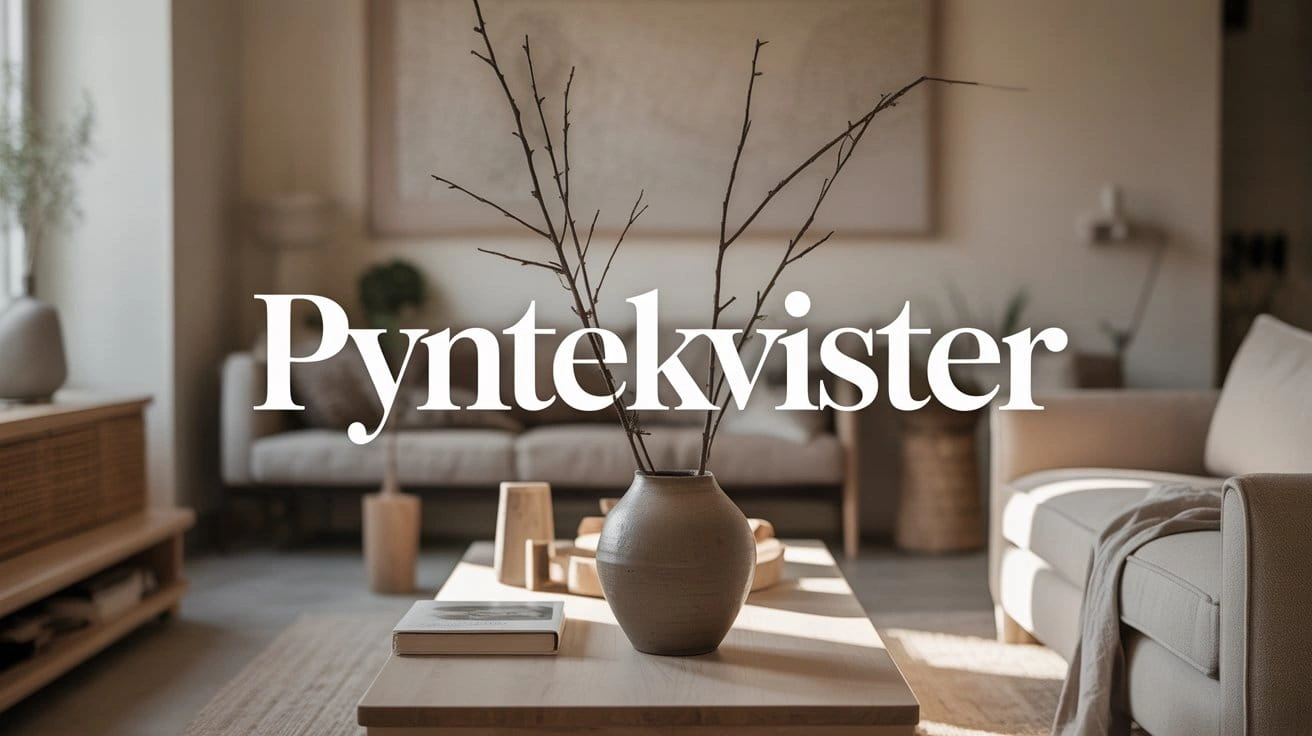
Pyntekvister: A Natural Decor Trend Rooted in Scandinavian Style
Modern interior design is moving away from excess and returning to authenticity. People want homes that feel calm, meaningful, and connected to nature. This shift explains the growing interest in Pyntekvister, a Scandinavian decorative concept that uses branches and twigs to create timeless interior expressions.
Rather than relying on artificial ornaments or short-lived floral arrangements, this approach embraces organic shapes, subtle textures, and seasonal rhythm. It fits perfectly into today’s desire for sustainable living, minimalist aesthetics, and emotionally grounding spaces. Whether used in homes, offices, or commercial interiors, this decor style offers a simple yet powerful way to bring nature indoors.
This article explores the meaning, benefits, challenges, and practical applications of Pyntekvister while aligning with current search intent and SEO best practices.
What Is Pyntekvister?
Pyntekvister is a Nordic term that translates to decorative branches or ornamental twigs. It refers to the intentional use of natural or crafted branches as interior decor elements. These branches are displayed in vases, mounted on walls, or arranged as sculptural accents within a space.
The concept is not about decoration for decoration’s sake. Instead, it reflects a design philosophy rooted in simplicity, balance, and respect for nature. The branches are often left in their natural form, without heavy processing or embellishment, allowing their organic structure to speak for itself.
Unlike traditional flower arrangements, Pyntekvister focuses on form rather than color, making it especially suitable for minimalist and modern interiors.
Cultural and Historical Background
The origins of this decorative practice are closely tied to Scandinavian culture. In Nordic regions, long winters and limited daylight historically encouraged people to bring elements of nature indoors. Branches symbolized continuity, resilience, and the changing seasons.
In rural households, twigs were often used as seasonal markers, especially during spring celebrations or winter traditions. Over time, this practical and symbolic use evolved into a refined design element embraced by modern Scandinavian interiors.
Today, Pyntekvister represents more than tradition. It reflects a lifestyle that values calmness, sustainability, and intentional living.
Why Pyntekvister Fits Modern Design Trends
Interior design trends in 2025 strongly favor natural materials, emotional well-being, and sustainability. This decorative style aligns seamlessly with those priorities.
First, it supports biophilic design, which emphasizes human connection to nature. Studies consistently show that natural elements in living spaces can reduce stress and improve focus.
Second, it complements minimalism. Branches provide visual interest without clutter, making them ideal for clean, open spaces.
Third, it supports eco-conscious living. Many arrangements use fallen branches or responsibly sourced materials, reducing reliance on mass-produced decor.
These factors explain why Pyntekvister continues to gain popularity across homes, workplaces, and hospitality environments.
Key Benefits of Using Pyntekvister
One of the most appealing advantages of this decor approach is its versatility. Branches can adapt to nearly any interior style, from rustic to ultra-modern.
Another benefit is longevity. Unlike flowers that fade quickly, decorative branches can last for months or even years with minimal care.
Cost efficiency is also a major factor. Natural branches are often freely available, making this an affordable option for high-impact decor.
Finally, it encourages creativity. Each arrangement is unique, shaped by the natural form of the branch and the personal taste of the individual styling it.
Popular Types of Branches Used
Different branches create different visual effects. Birch branches are known for their light bark and clean appearance. Willow branches offer soft curves and movement. Hazel branches provide sculptural, twisted forms that work well as statement pieces.
Evergreen branches such as pine or fir are commonly used in colder seasons, while flowering branches are favored in spring. The choice of branch often reflects both the season and the emotional tone desired in the space.
How to Style Pyntekvister at Home
Using this decorative approach does not require professional design skills. A simple arrangement can be created by selecting a branch with an appealing shape and placing it in a well-proportioned vase.
For a minimalist look, fewer branches work better than many. Negative space plays an important role in highlighting the natural form.
In larger spaces, tall branches can be used to create vertical interest. In smaller rooms, shorter branches can add texture without overwhelming the area.
Lighting also matters. Placing branches near natural light enhances their texture and shadow, adding depth to the decor.
Seasonal Styling Ideas
One of the strengths of this decor style is its ability to evolve throughout the year. In spring, budding or flowering branches symbolize renewal. During summer, lighter branches paired with neutral interiors maintain an airy feel.
Autumn arrangements often emphasize warm tones and organic textures. In winter, bare branches can be styled with subtle lighting to create warmth without excess decoration.
This seasonal adaptability keeps interiors feeling fresh while maintaining consistency in design language.
Challenges and Limitations
While appealing, this decor approach does come with challenges. Natural branches can be fragile and may require careful handling. Some branches may dry out and become brittle over time.
Sourcing responsibly is another consideration. It is important to avoid damaging living trees or protected natural areas. Ethical sourcing enhances both the sustainability and authenticity of the decor.
Additionally, not all interiors benefit from organic decor. Highly ornate or heavily styled spaces may clash with the simplicity of Pyntekvister.
Real-World Applications
In Scandinavian homes, this decor style is often used as a focal point in living rooms or entryways. The branches provide character without overpowering the space.
Modern offices use decorative branches to soften sterile environments and promote calmness. They are especially effective in reception areas and meeting rooms.
Retail spaces and cafes often adapt this style for seasonal displays, maintaining brand consistency while reflecting natural change.
These real-world examples demonstrate the adaptability and professional credibility of the concept.
Practical Tips From Design Experience
Interior designers often recommend choosing branches that echo the scale of the room. Oversized branches in small spaces can feel overwhelming, while delicate twigs may disappear in large rooms.
Neutral containers usually work best, allowing the branch to remain the focal point. Ceramic, glass, or stone vases complement the natural aesthetic.
Occasional dusting is usually sufficient maintenance, making this decor ideal for busy lifestyles.
Frequently Asked Questions
What does Pyntekvister mean?
It is a Scandinavian term that refers to decorative branches used in interior design.
Are the branches always real?
No. While natural branches are common, high-quality artificial versions are also used, especially in commercial settings.
Is this decor style sustainable?
When branches are responsibly sourced or reused, it is considered an eco-friendly decor choice.
Can beginners use this design approach?
Yes. It is one of the most beginner-friendly decor styles due to its simplicity and flexibility.
Does it work in small apartments?
Absolutely. Smaller arrangements can enhance compact spaces without creating clutter.
Conclusion
Pyntekvister represents a thoughtful approach to interior decoration that prioritizes nature, simplicity, and emotional well-being. It is not a passing trend but a reflection of deeper lifestyle values that continue to shape modern design.
By embracing organic forms and seasonal rhythm, this decor style creates spaces that feel calm, intentional, and authentic. Whether you are redesigning your home or enhancing a professional space, it offers a timeless solution grounded in both tradition and modern sensibility.