Fontlu Explained: A Modern Approach to Typography
Typography is no longer just about choosing a font that “looks good.” In today’s digital-first environment, typography directly influences brand perception, user experience, accessibility, and even conversion rates. As designers, developers, and content creators search for smarter ways to manage fonts, fontlu has emerged as a concept closely tied to modern typography workflows.
This guide is designed for anyone who wants a deep, practical understanding of fontlu—what it represents, why it matters, and how it is used in real projects. Whether you are a beginner experimenting with visual design or a professional managing brand systems, this article answers your questions with clarity and real-world relevance.
What Is Fontlu?
fontlu is commonly associated with a new-generation typography ecosystem that focuses on discovering, previewing, customizing, and managing fonts efficiently. Instead of treating fonts as static files, fontlu represents a workflow-driven approach where typography decisions are faster, more intentional, and more consistent.
At a conceptual level, fontlu blends three important ideas:
Typography discovery that is intuitive and goal-oriented
Real-time font testing using actual project text
Centralized font management for individuals and teams
Rather than forcing designers to download dozens of fonts and test them offline, fontlu emphasizes speed, clarity, and collaboration.
The Evolution of Typography and Why Fontlu Exists
Typography has evolved alongside technology. Early digital fonts were limited, inconsistent, and often poorly optimized for screens. As web and mobile usage increased, designers needed better tools to ensure fonts displayed correctly across devices.
The rise of fontlu reflects several industry shifts:
Growing demand for responsive and accessible typography
Increased collaboration between designers, marketers, and developers
The need for licensing clarity in commercial projects
Font selection is now a strategic decision, not an afterthought. This is the problem space that fontlu addresses.
Key Features Commonly Associated with Fontlu
Modern typography platforms connected to the fontlu idea typically share a set of advanced capabilities.
Intelligent Font Discovery
Instead of endless scrolling, fonts are categorized by mood, purpose, readability, and industry use. This allows users to narrow choices based on actual project needs rather than visual guesswork.
Live Preview and Custom Text Testing
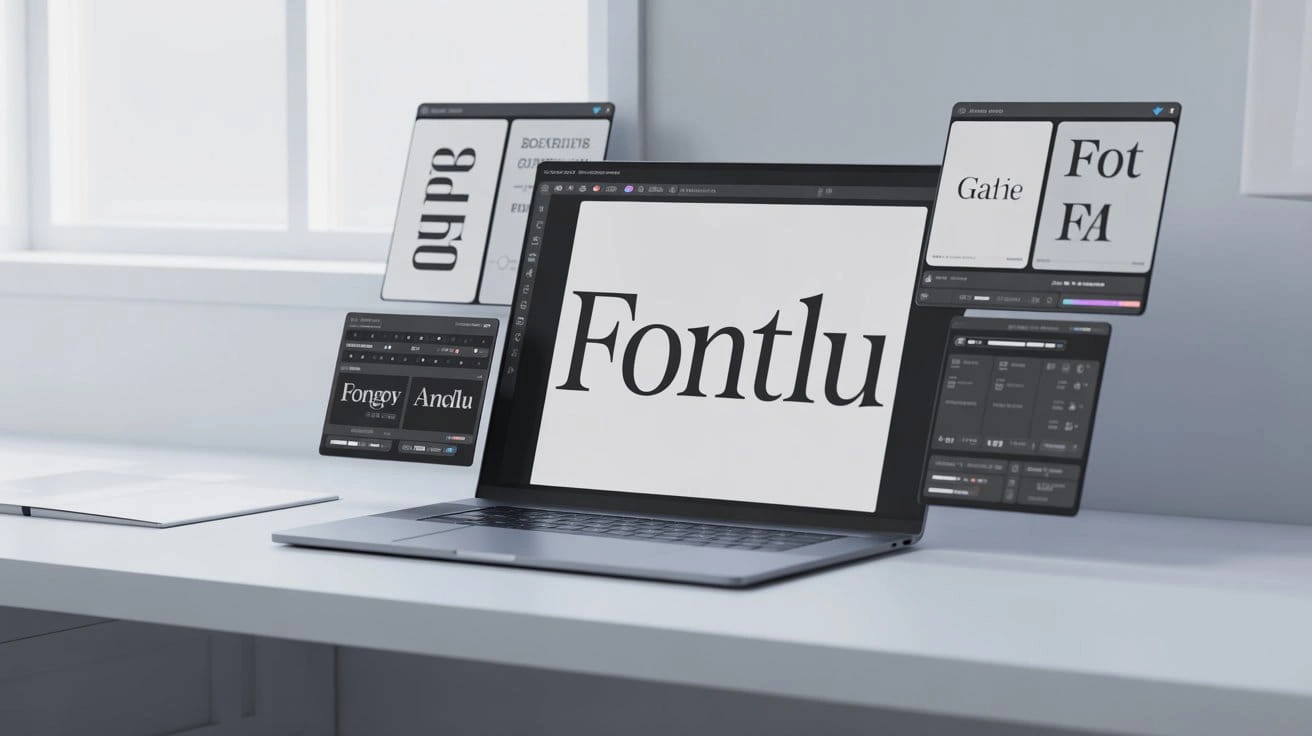
Designers can instantly preview fonts using their own headlines, paragraphs, or brand names. This removes uncertainty and speeds up decision-making.
Smart Font Pairing
Matching heading and body fonts is one of the most difficult typography tasks. fontlu-style tools often suggest combinations that maintain visual hierarchy and harmony.
Cloud-Based Font Organization
Fonts can be saved, tagged, and reused across projects, ensuring consistency for brands and teams.
Benefits of Using Fontlu for Typography Projects
The growing popularity of fontlu is rooted in measurable advantages rather than trends alone.
Faster Creative Decisions
Typography exploration that once took hours can now happen in minutes. Real-time previews eliminate the need for repeated downloads and design revisions.
Stronger Brand Consistency
By centralizing font usage, brands maintain consistent typography across websites, apps, marketing materials, and internal documents.
Reduced Design Errors
Clear previews help avoid common mistakes such as poor readability, spacing issues, or inappropriate font tone.
Better Collaboration
Shared font libraries and visual references allow teams to align quickly, even when working remotely.
Challenges Designers May Face with Fontlu
Despite its advantages, working within a fontlu ecosystem also presents challenges that users should understand.
Licensing Confusion
Not all fonts are free for commercial use. Designers must carefully review usage rights before applying fonts to client or product work.
Over-Customization
Having too many options can lead to overly decorative choices that harm usability. Professional judgment is still essential.
Learning Curve for Beginners
While intuitive, typography tools still require basic understanding of font anatomy, hierarchy, and spacing to be used effectively.
Real-World Applications of Fontlu
Typography tools associated with fontlu are used across many industries and roles.
Branding and Visual Identity
Agencies use structured font systems to define how brands communicate tone, personality, and authority. Typography choices often become as recognizable as logos.
Web and App Design
Developers rely on font systems that load efficiently, scale properly, and remain readable across devices. fontlu supports this by encouraging optimized font selection.
Content Creation and Marketing
Bloggers, course creators, and social media managers use typography tools to maintain visual consistency across platforms.
Educational and Editorial Design
Readable fonts improve comprehension, especially for long-form content such as articles, reports, and learning materials.
How to Choose the Right Font Using Fontlu Tools
A thoughtful process ensures typography supports your goals rather than distracting from them.
Step 1: Define Purpose and Audience
Determine whether the content is informational, promotional, or expressive. Audience age, industry, and expectations matter.
Step 2: Test Fonts with Real Content
Avoid lorem ipsum. Preview fonts using actual headlines, body text, or brand names to see realistic results.
Step 3: Evaluate Readability
Check how the font performs at different sizes, weights, and screen resolutions.
Step 4: Build a Font Pairing System
Choose one font for headings and one for body text. Contrast is important, but harmony is essential.
Step 5: Confirm Usage Rights
Always confirm whether the font can be used commercially, redistributed, or embedded.
Fontlu and SEO: Why Typography Affects Rankings
Typography plays an indirect but important role in search performance.
Clear fonts improve user engagement metrics such as time on page and readability. Well-structured typography enhances content scannability, making it easier for users to consume information quickly.
Search engines increasingly reward pages that provide excellent user experience. By supporting clarity and structure, fontlu contributes to better UX signals.
Accessibility and Inclusive Design
Modern typography must serve all users, including those with visual impairments.
Good typography practices supported by fontlu include:
- Adequate contrast between text and background
- Readable font sizes for body content
- Avoiding overly thin or decorative fonts for long text
Accessibility is no longer optional—it is a core design responsibility.
FAQ: Fontlu Explained Simply
What does fontlu mean?
It refers to a modern approach to typography that focuses on efficient font discovery, testing, and management.
Is fontlu suitable for beginners?
Yes. Most tools associated with it are designed to be intuitive while still offering advanced options for professionals.
Can fontlu fonts be used for business projects?
That depends on the font license. Always review usage rights before commercial use.
How is fontlu different from basic font websites?
Unlike simple font listings, fontlu emphasizes workflow, previewing, pairing, and consistency.
Does typography really impact user trust?
Yes. Poor typography can reduce credibility, while clean, readable fonts increase trust and professionalism.
Demonstrating Expertise and Best Practices
Experienced designers consistently emphasize that typography decisions should be intentional. Through years of client projects and usability testing, professionals have learned that users rarely notice “good” typography—but they immediately notice bad typography.
The value of fontlu lies in reducing risk. It provides structure, visibility, and clarity, allowing designers to make informed decisions backed by real previews rather than assumptions.
Final Thoughts
Typography is one of the most powerful yet underestimated elements of design. fontlu represents a shift toward smarter, more human-centered typography workflows that respect both creativity and usability.
By combining discovery, testing, and management into a unified experience, fontlu helps creators produce work that is consistent, readable, and trustworthy. As digital content continues to grow, thoughtful typography will remain a defining factor in how information is perceived and remembered.