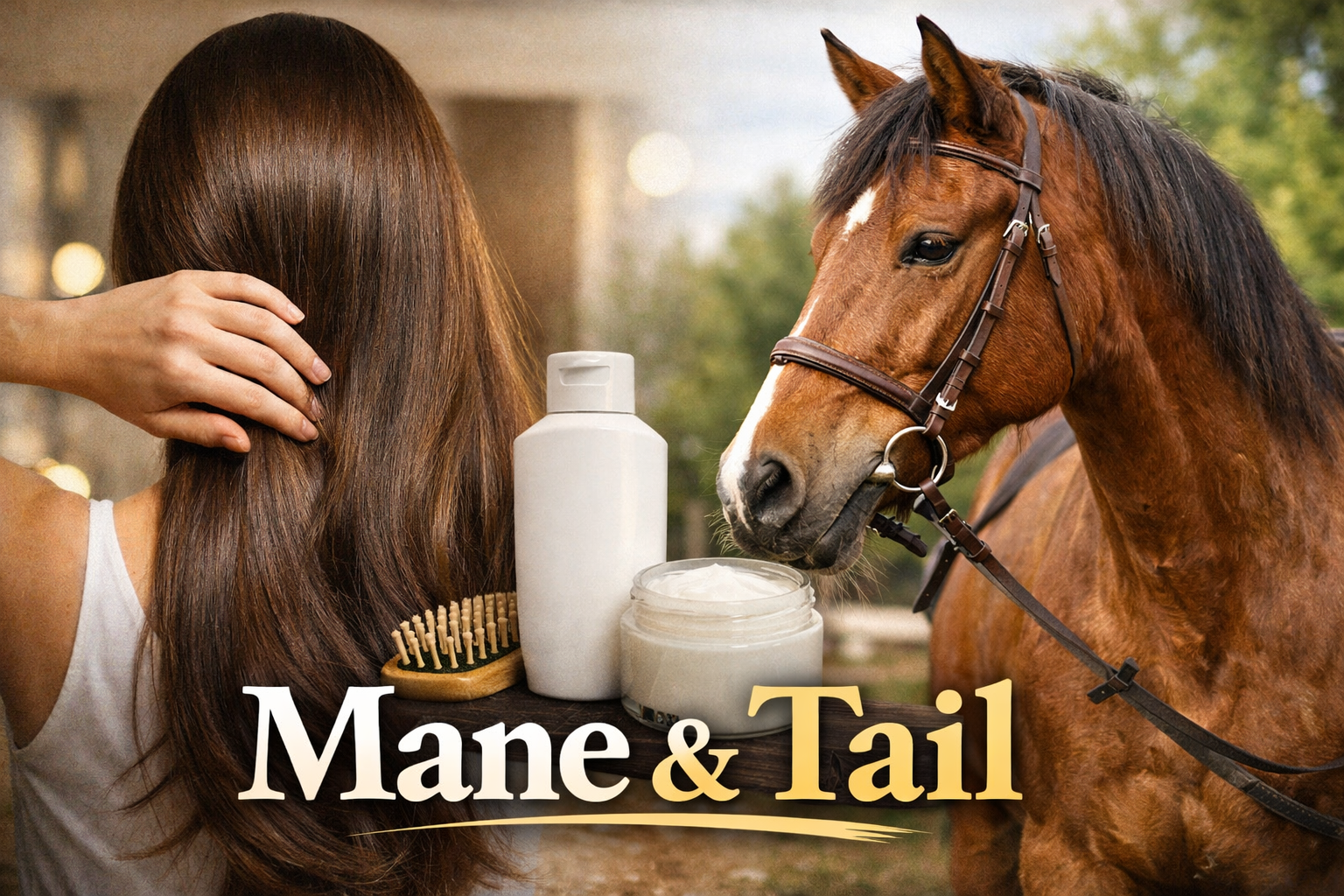
Mane and Tail Explained for Hair and Grooming Care
Mane and Tail is a name many people first hear in the context of horse grooming, yet over time it has gained strong recognition among humans looking for stronger, longer, and healthier-looking hair. Searchers usually want clear answers to a few important questions. What exactly is it. Why do people use it on human hair. Does it really work or is it just hype. Is it safe for regular use. This article addresses those questions carefully, without exaggeration or marketing language.
I have observed its use across different settings, from equestrian barns where coat and mane health directly affect animal performance, to everyday households where people experiment with it as part of a hair care routine. The goal here is not to promote a miracle product, but to explain what it is, how it is used, what benefits people report, and what limitations should be understood before using it.
This guide is written for informational purposes, based on real-world observation, ingredient analysis, and practical grooming principles. It is designed to help readers make informed decisions, not emotional ones.
What Mane and Tail Actually Is
At its core, mane and tail refers to a grooming formula originally designed for horses. Horses require regular cleansing of their mane and tail hair to prevent dryness, breakage, and skin irritation. The formulation was developed to support hair strength while maintaining skin comfort under demanding outdoor conditions.
Over time, people noticed that the formula shared similarities with some human shampoos, especially those aimed at strengthening hair and improving shine. That crossover led to human use, though the product was not initially marketed for that purpose.
Key characteristics include:
- A focus on cleansing without stripping natural oils excessively
- Ingredients intended to support hair shaft strength
- Formulas designed to be gentle enough for frequent grooming
It is important to understand that its popularity came from word of mouth and observed results, not from clinical hair growth claims.
Understanding the Ingredients and Their Role
To understand why people use this product, it helps to look at the type of ingredients typically included in such grooming formulas. While exact compositions can vary by version, the general categories remain consistent.
Cleansing Agents
These are responsible for removing dirt, oil, and buildup. They are usually designed to clean thoroughly because horses are exposed to mud, sweat, and outdoor debris. For human hair, this means the shampoo may feel more clarifying than ultra-mild daily products.
Conditioning Components
Conditioners are added to reduce friction, improve manageability, and minimize breakage. These ingredients coat the hair shaft lightly, helping it feel smoother after washing.
Protein and Strength Support
Some formulations include proteins or protein-like compounds. These are meant to reinforce the hair shaft temporarily. They do not permanently repair hair, but they can reduce breakage by filling weak points.
Moisture Balancing Ingredients
Because excessive dryness can lead to breakage, humectants and moisturizers are included to help hair retain water without becoming greasy.
From a practical standpoint, the formula aims to balance strength and moisture rather than target cosmetic softness alone.
Why People Use It on Human Hair
The rise of mane and tail in human hair routines did not happen overnight. It followed a pattern often seen in beauty trends where functional products cross over into personal care.
Desire for Stronger Hair
Many users turn to it when experiencing breakage or thinning due to over-styling, heat damage, or chemical treatments. The strengthening focus appeals to people who feel their hair snaps easily.
Perception of Faster Growth
It is important to be clear here. Hair growth rate is determined mainly by genetics, nutrition, and overall health. This product does not change biology. However, by reducing breakage, hair may appear to grow longer over time because less length is lost.
Simpler Formulation Appeal
Some users prefer products that feel straightforward and functional, without heavy fragrances or excessive cosmetic additives. The grooming origin supports that perception.
Cost and Accessibility
Compared to some premium hair care brands, this option is often seen as more affordable, which encourages experimentation.
Realistic Benefits Based on Observation
When used appropriately, some benefits are commonly reported. These should be understood as supportive effects rather than guaranteed outcomes.
Reduced Breakage
Hair that breaks less often retains length better. Users who handle their hair gently and use a strengthening cleanser may notice fewer broken strands during brushing.
Improved Manageability
Conditioning components can make hair easier to detangle, especially for longer hair types.
Cleaner Scalp Feel
Because the cleanser is designed to remove buildup effectively, some people with oily scalps appreciate the clean feeling it provides.
Shine Enhancement
Smoother hair shafts reflect light better, which can create the appearance of increased shine.
These benefits depend heavily on hair type, usage frequency, and overall routine.
Common Challenges and Misunderstandings
Despite its popularity, there are also challenges and misconceptions worth addressing clearly.
Not Suitable for All Hair Types
People with very dry, curly, or chemically treated hair may find it too cleansing if used too frequently. Overuse can lead to dryness.
Growth Myths
No shampoo alone can force hair to grow faster. Any perceived growth usually comes from reduced breakage rather than increased follicle activity.
Overuse Risk
Using a strong cleanser daily may strip natural oils. Moderation is important.
Expectation Mismatch
Some users expect dramatic transformation within days. Hair care improvements are gradual and subtle.
Understanding these limitations prevents disappointment and misuse.
How to Use It Safely and Effectively
For those who choose to try it, application technique matters.
Frequency Guidelines
- Normal hair: One to two times per week
- Oily hair: Up to three times per week
- Dry or treated hair: Once weekly or less
Application Steps
- Thoroughly wet hair with lukewarm water
- Apply a small amount and massage gently into the scalp
- Avoid aggressive scrubbing
- Rinse completely
- Follow with a suitable conditioner if needed
Patch Testing
Before regular use, apply a small amount to the skin behind the ear or on the inner arm. This helps identify sensitivity.
Use on Horses Versus Humans
The product’s original purpose remains equine grooming. Understanding the difference in use context matters.
Horse Grooming Needs
- Exposure to outdoor elements
- Thicker hair structure
- Less frequent grooming cycles
Human Hair Needs
- Styling damage
- Chemical treatments
- More frequent washing habits
While the base idea overlaps, humans should adjust frequency and expectations accordingly.
Scientific Perspective on Hair Strength
Hair strength is influenced by the cuticle, cortex, and moisture balance. Products can temporarily support these elements but cannot permanently alter hair structure.
Protein-based products can:
- Improve tensile strength temporarily
- Reduce friction between strands
However, excessive protein can make hair feel stiff. Balance remains key.
Long-Term Hair Care Strategy
Using mane and tail should not replace a complete routine. A sustainable approach includes:
- Gentle handling
- Minimal heat exposure
- Balanced nutrition
- Regular trims
Hair health is cumulative, not dependent on a single product.
Who Should Consider Using It
This product may be suitable for:
- People experiencing breakage
- Those wanting a clarifying yet strengthening wash
- Individuals seeking a budget-friendly option
It may not be ideal for:
- Extremely dry hair
- Highly processed or bleached hair
- People with sensitive scalps
Matching the product to your needs matters more than trends.
Environmental and Ethical Considerations
Modern grooming discussions increasingly include sustainability. Some users ask about animal testing and environmental impact. When considering any grooming product, reviewing manufacturer transparency and packaging practices is a responsible step.
Frequently Asked Questions
Is mane and tail safe for human hair
Many people use it without issues, but safety depends on hair type and frequency. Patch testing is recommended.
Does it cause hair to grow faster
It does not change growth rate. Reduced breakage can make hair appear longer over time.
Can it be used daily
Daily use is usually not recommended, especially for dry or treated hair.
Is it suitable for children
Children generally need gentler formulas designed specifically for their hair and scalp.
Does it work for all hair textures
Results vary. Straight and slightly wavy hair types often report better experiences than very curly or coily hair.
Conclusion
Mane and tail occupies a unique space between animal grooming and human hair care. Its reputation comes from practical use rather than marketing promises. When understood correctly, it can serve as a strengthening cleanser that supports hair retention through reduced breakage. It is not a miracle solution, nor is it suitable for everyone.
Approaching it with realistic expectations, proper usage, and awareness of personal hair needs allows individuals to decide whether it fits into their routine. Hair health is ultimately built through consistency, care, and informed choices rather than shortcuts.