Comm Charge Saving Hobby: Smart Ways to Cut Costs Daily
In today’s digital economy, almost every action we take involves some form of transaction. We pay with cards, apps, online platforms, subscriptions, and automated services. Behind each of those actions, small fees quietly work in the background. These fees are often called commission charges, service charges, processing fees, platform fees, or transaction costs. Most people ignore them because each one looks small. Over time, however, they silently drain money from personal and business budgets.
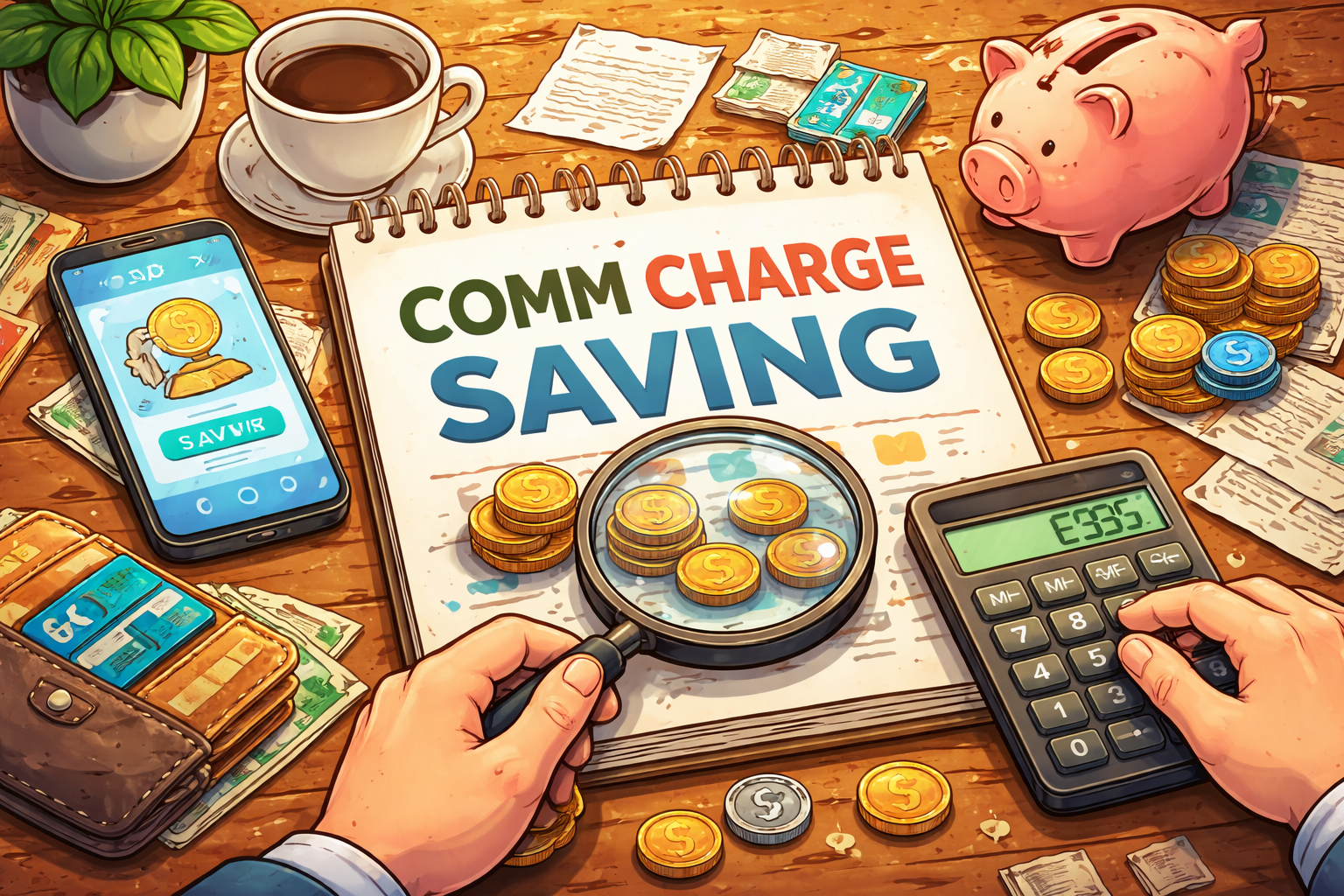
This is where the idea of a comm charge saving hobby becomes powerful. Instead of seeing savings as boring budgeting, people turn the habit of reducing commission charges into an enjoyable, practical hobby. It means learning how fees work, spotting unnecessary costs, and adjusting daily behavior to keep more of your own money. Just like fitness or cooking, it becomes a skill you improve over time.
I first noticed this while running small online payments for side projects. A few cents lost on every transaction felt harmless. After months, those cents turned into serious money. Once I began tracking them, optimizing platforms, and adjusting habits, I realized fee saving is not just finance. It is a mindset and even a hobby that pays you back.
In this article, we explore what a comm charge saving hobby really is, why people adopt it, how it works in real life, the challenges involved, and actionable steps you can use immediately. The goal is to help you build awareness, control your money flow, and enjoy the process of keeping more of what you earn.
What Is a Comm Charge Saving Hobby?
A comm charge saving hobby is the practice of actively learning, tracking, and reducing commission based charges across daily transactions as a personal interest rather than a forced task.
Instead of passively accepting fees, you treat fee optimization like a game:
- You identify where charges appear.
- You compare alternatives.
- You adjust behaviors.
- You measure improvement over time.
It applies to many areas:
- Banking transfers
- Online shopping platforms
- Subscription services
- Freelance payment systems
- Investment platforms
- Digital wallets
- International remittances
For many people, commission charges stay invisible. They show up in fine print or small line items. The hobby mindset turns them into something visible, measurable, and improvable.
Hobby Versus Budgeting
Traditional budgeting focuses on how much you spend. A comm charge saving hobby focuses on how much you lose without realizing it.
Budgeting asks:
How much did I spend on groceries?
Fee saving asks:
How much extra did I lose paying for groceries through fees, delivery charges, card processing, or platform commissions?
The difference is subtle but powerful. You are not cutting life enjoyment. You are removing friction between you and your money.
Why People Are Turning Fee Saving Into a Hobby
Modern life is filled with micro payments. Each one comes with its own invisible cost. Over time, people start noticing that income grows slower than effort. Often the reason is not spending but leakage through charges.
Here are the main reasons this hobby is growing.
1. Digital Payments Multiply Fees
Cash used to be simple. Now we pay with apps, gateways, cards, wallets, and subscriptions. Each layer introduces its own commission model.
People discover that convenience has a price tag.
2. Side Hustles Expose Charges
Freelancers, creators, and small sellers see commission charges clearly. Platforms take percentages, withdrawal fees, conversion fees, and service fees. When income becomes visible, people start optimizing.
3. Inflation Pushes Efficiency Thinking
As prices rise, people search for smarter ways to protect earnings. Instead of only earning more, they try losing less.
4. Gamification of Finance
Some people enjoy optimizing systems. Just like gamers improve scores, fee savers improve net results. It becomes satisfying to see how small changes produce measurable savings.
5. Psychological Control
Saving commission charges creates a feeling of control. You stop being a passive user and become an active decision maker.
Understanding Commission Charges in Daily Life
To build a comm charge saving hobby, you first need to understand where charges actually come from. Many people only see the total amount and ignore the breakdown.
Here are the main areas where commission charges hide.
Banking and Transfers
Banks often apply:
- Transfer fees
- ATM withdrawal fees
- Currency conversion fees
- Maintenance charges
- Interbank processing costs
Even digital banking apps introduce micro costs that stack up over time.
Online Shopping Platforms
When you shop online, costs may include:
- Platform service fees
- Payment gateway charges
- Delivery commissions
- Marketplace markups
- Subscription convenience costs
Sometimes buying directly from a seller avoids part of these.
Subscription Services
Subscriptions look simple but include:
- Platform processing fees
- Auto renewal charges
- Payment handling commissions
- International transaction costs
Many people forget they pay extra beyond the base price.
Freelance and Creator Platforms
If you earn online, charges appear as:
- Platform commission
- Withdrawal fees
- Currency exchange margins
- Transfer processing costs
- Inactivity penalties
This is one of the biggest areas where the hobby mindset saves real money.
Investing and Trading
Investment platforms include:
- Trading commissions
- Spread costs
- Management fees
- Conversion charges
- Withdrawal costs
Small percentages here can eat large profits long term.
Benefits of Adopting a Comm Charge Saving Hobby
Turning fee awareness into a hobby creates benefits beyond money. It changes how you interact with financial systems.
1. More Money Without More Work
You keep more of what you already earn. Instead of chasing income, you reduce leakage.
2. Better Decision Making
You begin comparing options logically instead of emotionally. You look at net outcomes, not just sticker prices.
3. Increased Financial Literacy
You naturally learn about:
- Payment systems
- Platform economics
- Fee structures
- Risk management
- Optimization behavior
This knowledge transfers into other financial areas.
4. Reduced Stress
Unexpected charges cause frustration. When you understand systems, surprises disappear.
5. Long Term Habit Building
Once it becomes a hobby, you maintain it naturally instead of forcing discipline.
Real World Applications of Fee Saving as a Hobby
The comm charge saving hobby is not theoretical. It shows up in daily routines in very practical ways.
Personal Spending Optimization
People start:
- Choosing payment methods with lower processing costs.
- Avoiding unnecessary platform markups.
- Bundling transactions to reduce repetition of fees.
- Tracking recurring charges monthly.
Over time, monthly expenses shrink without lifestyle reduction.
Freelance Income Protection
Creators often:
- Select platforms with better commission structures.
- Optimize withdrawal schedules.
- Reduce currency conversion losses.
- Negotiate client payment methods.
The same income suddenly feels larger.
Small Business Efficiency
Business owners:
- Compare merchant service providers.
- Optimize transaction routing.
- Minimize intermediary involvement.
- Automate fee monitoring.
Margins improve without raising prices.
International Payment Awareness
People sending money across borders learn:
- How exchange margins work.
- Which routes cost less.
- How timing affects charges.
- How batching reduces loss.
This hobby saves serious amounts for remote workers and global freelancers.
How to Build Your Own Comm Charge Saving Hobby
Turning this idea into action requires structure. Here is a practical roadmap.
Step 1: Start With Awareness Tracking
For one month, do not change anything. Just observe.
Write down:
- Each transaction
- The base amount
- The final paid amount
- The difference
This reveals your real commission footprint.
Step 2: Categorize Your Charges
Group them into:
- Banking
- Shopping
- Subscriptions
- Income platforms
- Transfers
- Investments
You will see which area leaks most.
Step 3: Study the Fee Structure
Instead of guessing, actually read:
- Platform pricing pages
- Bank fee schedules
- Payment processor terms
- Subscription fine print
Most people never read these once.
Step 4: Compare Alternatives
For each category, ask:
- Is there a cheaper method?
- Can I reduce frequency?
- Can I bundle transactions?
- Can I change timing?
Often small changes produce large gains.
Step 5: Optimize Behavior, Not Lifestyle
Do not cut enjoyment. Adjust systems.
Instead of not buying, change how you buy.
Instead of not earning, change how you receive.
This keeps motivation high.
Step 6: Track Monthly Improvement
Create a simple sheet:
- Month
- Total fees
- Savings from last month
Watching progress makes the hobby enjoyable.
Psychological Side of Fee Saving
A comm charge saving hobby also changes how you think about money.
From Passive to Active
You stop being a user and become an operator of systems.
From Emotional to Logical
Purchases become evaluated on net cost, not marketing presentation.
From Short Term to Long Term
You stop chasing instant convenience and start valuing efficiency over time.
From Scarcity to Control
Instead of feeling broke, you feel optimized.
This psychological shift is one of the most valuable hidden benefits.
Common Challenges and Mistakes
No hobby is perfect. Fee saving also has traps.
Over Optimization
Some people waste hours saving cents. Time has value too.
The goal is balance.
Ignoring Risk
Choosing cheaper platforms without safety checks can expose money.
Always consider security alongside savings.
Obsession With Micro Costs
Not every fee matters. Focus on high impact areas first.
Forgetting Opportunity Cost
Saving money should not block growth. Sometimes paying a fee is worth faster progress.
A healthy hobby mindset balances savings with momentum.
Advanced Techniques for Experienced Fee Savers
Once the basics become natural, you can go deeper.
Transaction Timing Strategy
Some platforms change costs based on time, volume, or frequency. Advanced users batch payments to minimize repetition of charges.
Platform Layer Reduction
Every intermediary adds commission. Reducing steps between payer and receiver often reduces total cost.
Negotiation Awareness
Businesses and freelancers sometimes negotiate better rates with service providers once volume grows.
Automation of Monitoring
Using simple trackers or alerts helps detect fee spikes early instead of after damage is done.
Behavioral Design
You design routines that naturally avoid unnecessary commission triggers.
This is where the hobby becomes almost strategic.
How a Comm Charge Saving Hobby Impacts Long Term Wealth
The effect is slow but powerful.
If someone saves even small amounts monthly:
- It compounds over years.
- It improves cash flow stability.
- It increases investment capacity.
- It reduces dependency on extra income chasing.
Wealth is not only built by earning more. It is also built by losing less efficiently.
People often underestimate this side of financial growth.
Ethics and Transparency in Fee Saving
An interesting angle of this hobby is ethical behavior.
When you understand fee systems, you also understand:
- Who earns from your transaction.
- Where value is created.
- Where inefficiency lives.
Many people begin supporting transparent platforms and fair systems instead of exploitative ones. So the hobby can align money with values.
Future of Fee Optimization as a Lifestyle Skill
As digital economies expand, commission structures grow more complex.
Future trends include:
- More micro transaction layers.
- Automated pricing algorithms.
- Subscription ecosystems.
- Cross border payment normalization.
This means fee awareness will become a core life skill, not just a hobby. Those who practice it early stay financially flexible.
Frequently Asked Questions
What does comm charge saving hobby mean?
It means treating the practice of reducing commission based fees as a personal habit and learning activity instead of a forced budgeting task.
Is this hobby only for businesses?
No. Individuals, freelancers, students, shoppers, and investors all face commission charges and can benefit from reducing them.
How much money can people really save?
It depends on activity level. Many people save small amounts monthly at first, but over time it adds up into significant yearly improvement.
Does fee saving require technical knowledge?
Not advanced. Basic reading, tracking, and comparison skills are enough to start building the habit.
Can saving charges hurt convenience?
Sometimes. The goal is not to remove convenience, but to balance efficiency with comfort so you do not sacrifice quality of life.
Is it safe to always choose cheaper platforms?
No. Safety, reliability, and service quality should always be considered along with cost.
Conclusion
A comm charge saving hobby is more than cutting small costs. It is about awareness, control, and smarter interaction with financial systems. In a world filled with invisible fees, the people who understand how money flows keep more of what they earn without burning out chasing income.
By observing transactions, understanding commission structures, optimizing behaviors, and maintaining balance, anyone can turn fee saving into a rewarding, long term habit. It builds financial intelligence, emotional control, and practical efficiency that stays useful throughout life.
Instead of seeing charges as unavoidable, this hobby teaches you to see them as adjustable. Over time, that mindset creates stronger financial stability, confidence, and freedom.