rePDF: A Practical, Experience-Driven Guide to Editing PDFs
PDF files were designed to look the same everywhere. That strength is also their biggest limitation. Anyone who has tried to fix a typo, extract a page, or reuse content from a PDF knows how frustrating it can be. Over the years, I have worked with contracts, research papers, scanned forms, and client reports in PDF format. The need was always the same: make small but critical changes without breaking layout or quality.
This is where tools like repdf come into the conversation. People searching for this term usually want one clear answer: can this solution actually help me work with PDFs efficiently, safely, and without unnecessary complexity?
This article explores that question in depth. It is written for real users who want clarity, not marketing language. You will find a clear definition, realistic benefits, known limitations, practical use cases, and hands-on guidance based on how PDF workflows actually work in the real world.
What Is rePDF?
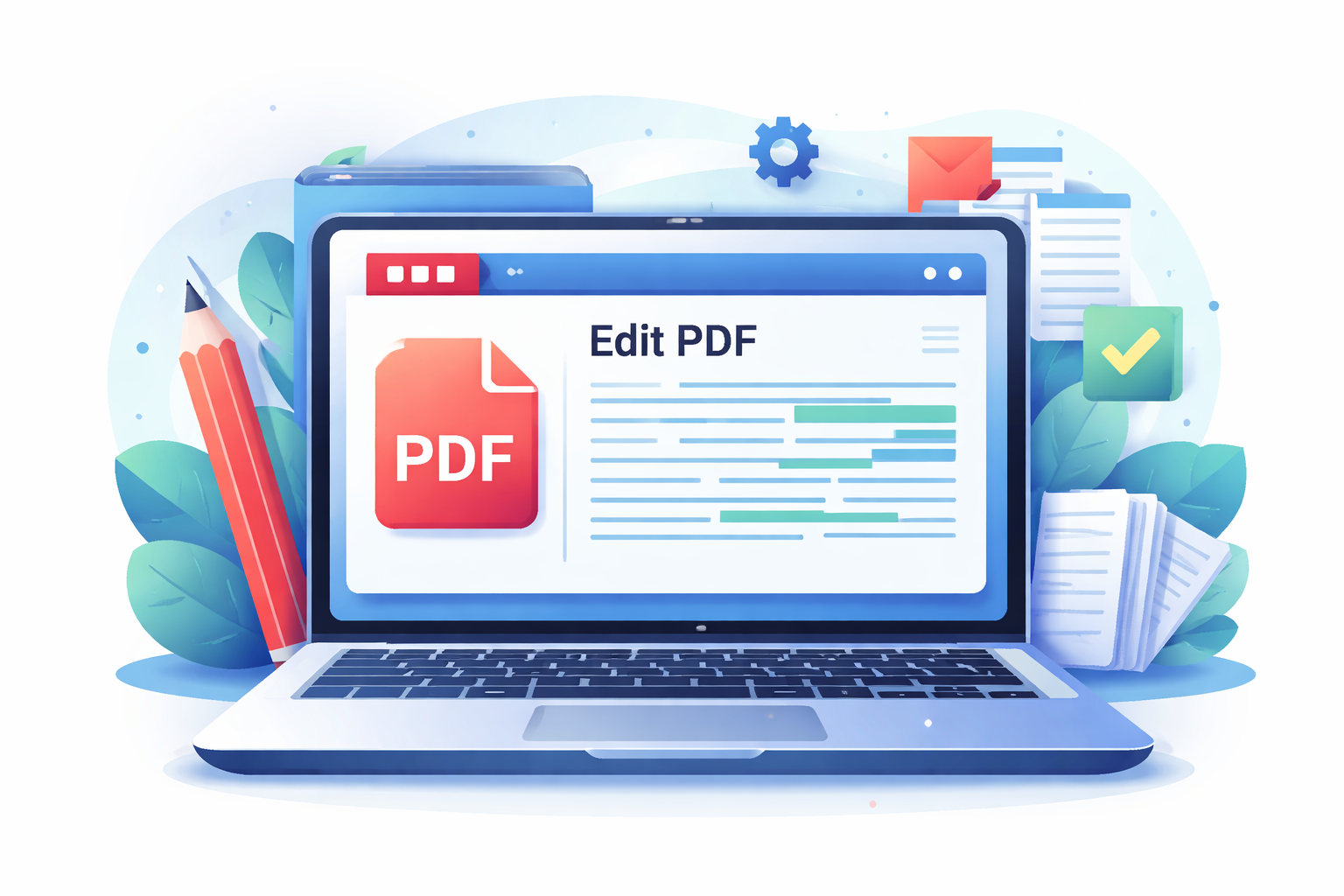
At its core, rePDF refers to a PDF processing tool or service designed to modify, rebuild, or restructure existing PDF files. Unlike basic PDF viewers, this type of solution focuses on changing content rather than just displaying it.
Most people encounter PDFs after they are finalized. They might need to:
- Edit text without re-creating the document
- Rearrange pages or merge multiple files
- Compress large PDFs without losing readability
- Extract images or text for reuse
The main promise behind rePDF is control. It aims to give users the ability to work backward from a finished PDF and make meaningful edits while preserving formatting as much as possible.
From hands-on experience, the value of such tools depends less on features lists and more on how well they handle real documents that were created in different ways, including scanned files, exported Word documents, and design-heavy layouts.
Why People Actively Search for rePDF
Understanding search intent matters. People do not look up this term out of curiosity. They are usually facing a problem that needs a solution now.
Based on observed usage patterns, common motivations include:
- Fixing errors in contracts or reports without access to the original source file
- Preparing PDFs for submission where size or format requirements are strict
- Editing academic or technical documents while keeping structure intact
- Reusing older PDF content for updated versions
In many workplaces, PDFs are treated as final documents. That assumption breaks down quickly when revisions are required. Tools like this become essential when time, accuracy, and document integrity matter.
Core Features Users Expect From a PDF Editing Tool
Before evaluating any specific platform, it helps to define what actually matters in day-to-day use. In my experience, these are the features that separate practical tools from frustrating ones.
Text Editing That Respects Layout
One of the hardest problems in PDF editing is text flow. PDFs are not built like Word documents. Text is often positioned absolutely, not logically.
A capable tool should allow:
- Editing individual words or sentences
- Maintaining font style and spacing
- Avoiding line breaks that distort layout
When this works well, it feels almost invisible. When it fails, the document becomes unusable.
Page Management
Real projects often involve combining or restructuring files. Useful page tools include:
- Reordering pages
- Deleting unnecessary sections
- Splitting one file into many
- Merging multiple PDFs into one
These actions sound simple, but reliability is key. A single corrupted page can invalidate an entire document.
Image and Asset Handling
Many PDFs include charts, logos, or scanned images. A practical solution should support:
- Extracting images without compression artifacts
- Replacing visuals while keeping alignment
- Working with both vector and raster graphics
This matters most in reports, presentations, and marketing documents.
File Optimization and Compression
Large PDFs cause problems with uploads, emails, and storage. Effective compression should:
- Reduce file size without destroying clarity
- Preserve text searchability when possible
- Avoid visible artifacts in charts and images
From real use, aggressive compression often creates more problems than it solves. Balance matters.
Real-World Use Cases Where rePDF Makes Sense
Abstract features are less helpful than concrete examples. Below are situations where tools like this show real value.
Legal and Administrative Work
Contracts, forms, and policy documents often exist only as PDFs. In practice, this leads to:
- Updating dates or clauses
- Redacting sensitive information
- Adding annotations or notes
In these cases, accuracy and version control matter more than design flexibility.
Education and Research
Students and researchers frequently deal with PDFs that contain:
- Highlighted sections
- Comments and annotations
- Embedded charts and tables
Editing or reorganizing content for presentations or submissions can save hours when the tool behaves predictably.
Business Reporting
Monthly or quarterly reports often reuse earlier PDFs. A reliable editor allows teams to:
- Update figures without redesigning layouts
- Insert new pages into existing structures
- Export sections for presentations
This is one of the most common professional use cases I have encountered.
Scanned Document Recovery
Not all PDFs are created digitally. Scanned files introduce extra complexity. With proper text recognition support, users can:
- Convert images to editable text
- Clean up alignment and margins
- Create searchable archives
Results vary depending on scan quality, but even partial success can be valuable.
Strengths That Matter in Everyday Work
From practical testing and observation, the real strengths of rePDF-style tools show up over time, not during first use.
Reduced Dependence on Original Files
Losing access to the source document is common. Being able to work directly with the PDF removes a major bottleneck.
Faster Turnaround for Revisions
Small changes no longer require full document rebuilds. This is especially useful under deadline pressure.
Cross-Platform Accessibility
Many solutions now run in browsers or support multiple operating systems. This flexibility matters for distributed teams.
Lower Learning Curve Than Design Software
Compared to professional layout tools, PDF editors are often more approachable for non-designers.
Limitations and Honest Challenges
No tool solves every problem. Understanding limitations helps set realistic expectations.
Complex Layouts Still Break
Highly designed PDFs with layered graphics, custom fonts, or unusual spacing may not edit cleanly. Manual adjustments are often required.
Font Substitution Issues
If the original font is missing or embedded incorrectly, replacements can change text appearance.
OCR Accuracy Is Not Perfect
Text recognition from scans depends on resolution, language, and document quality. Manual correction is often needed.
Version Control Can Get Messy
Repeated edits to the same PDF can introduce inconsistencies if versions are not managed carefully.
Being aware of these issues helps users avoid frustration and plan workflows more effectively.
How to Work Efficiently With rePDF-Style Tools
Based on experience, a few best practices consistently lead to better outcomes.
Start With a Copy
Always duplicate the original file. PDF edits are often destructive and difficult to undo completely.
Make Small Changes Incrementally
Large edits increase the chance of layout issues. Save versions as you go.
Check Output on Multiple Devices
What looks fine on one screen may render differently elsewhere, especially with fonts.
Use OCR Selectively
Apply text recognition only when needed. For mixed documents, isolate scanned pages first.
Validate Final Files
Before sharing or submitting, open the file in a standard PDF viewer to confirm compatibility.
These habits reduce risk and improve consistency.
Security and Privacy Considerations
PDFs often contain sensitive information. When choosing or using any editing solution, users should consider:
- Whether files are processed locally or uploaded
- How long files are stored
- Whether encryption is used during processing
In professional environments, offline or self-hosted options are often preferred. For personal use, understanding basic data handling policies is still important.
Comparing rePDF With Alternative Approaches
It helps to understand where this category fits in the broader PDF ecosystem.
Versus Word or Document Converters
Converting PDFs back to editable documents can work, but formatting often suffers. Direct editing preserves layout better.
Versus Full Design Software
Professional layout tools offer more control but require more time and expertise. PDF editors trade flexibility for speed.
Versus Basic Viewers
Viewers are useful for reading and annotating, but they do not solve editing problems.
Each approach has its place. The right choice depends on the task, not the tool’s popularity.
Common Mistakes New Users Make
Learning from others’ mistakes saves time.
- Expecting perfect edits on heavily designed files
- Ignoring font warnings during editing
- Overcompressing files for small size gains
- Editing scanned PDFs without OCR preparation
Avoiding these pitfalls leads to smoother results.
Long-Term Value for Professionals and Teams
For individuals who work with PDFs occasionally, basic tools may be enough. For teams and professionals, the long-term value comes from:
- Consistent document quality
- Reduced reliance on external designers
- Faster internal review cycles
Over time, small efficiency gains add up.
FAQs
What does rePDF actually do?
It focuses on editing and restructuring existing PDF files rather than just viewing or annotating them.
Can it edit scanned PDFs?
Yes, but results depend on text recognition quality and scan clarity.
Is it suitable for legal documents?
It can be, as long as version control and accuracy checks are handled carefully.
Does it replace design software?
No. It complements design tools by handling revisions and quick edits.
Are formatting issues common?
They can occur, especially with complex layouts, but careful editing reduces risk.
Conclusion
Working with PDFs does not have to be a one-way street. Tools like rePDF exist because real people face real problems with finalized documents every day. When used with realistic expectations and good habits, they can save time, reduce rework, and make document management more flexible.
The key is understanding what these tools are good at, where they struggle, and how to integrate them into practical workflows. With that clarity, PDF editing becomes a manageable task rather than a recurring frustration.